

 NEWS
NEWSHow to Successfully Launch Your Plastic Bag Making Machine Plant
Starting a plastic bag making machine plant comes down to four pillars: permits and certifications, product and material choices, equipment selection, and ROI planning. If you are planning to enter the packaging industry, understanding these requirements is the first step toward a successful investment.
Plastic Bag Industry Trends and Sustainability Pressures
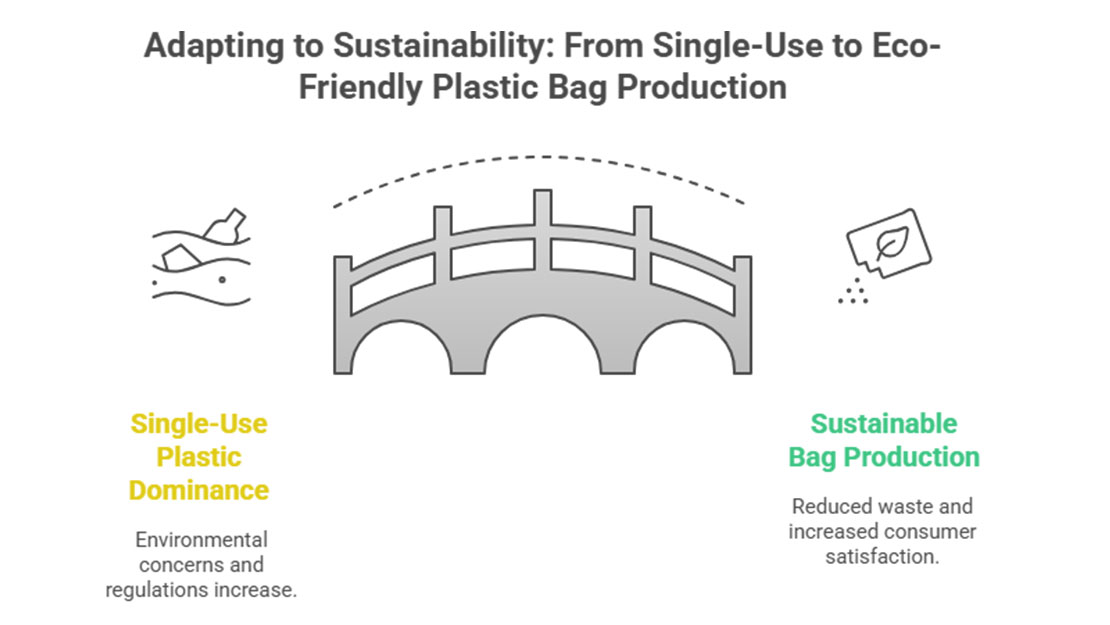
Governments and industry groups worldwide have accelerated their efforts to reduce single-use plastics and improve waste management standards. New regulations increasingly mandate clear labeling to distinguish recyclable, compostable, and traditional plastic packaging.
This transition is not just a regulatory obligation—it reflects shifting consumer expectations. Many supermarkets and retail chains report:
- A steady decline in single-use bag consumption.
- Stronger demand for reusable and compostable alternatives.
At the same time, raw material costs for biopolymers (e.g., PLA, PBAT) remain volatile. Many manufacturers are now securing long-term supply contracts to stabilize costs.
Building a Business Plan for Your Plant
A strong and adaptable business plan ensures that your investment is viable.
Key Elements to Include
- Target Markets – Retail distributors, supermarkets, logistics providers, or municipalities with plastic reduction mandates.
- Product Strategy – Conventional polyethylene bags, recycled-content bags, or certified compostable options.
- Sustainability Commitments – Certifications and measurable progress on ESG goals.
- Regulatory Roadmap – Packaging laws, labeling, and reporting standards in your operating regions.
- Investment Planning – Machinery, installation, training, utilities, raw materials, and marketing budgets.
With a solid plan in place, the next step is ensuring your plant is compliant.
Regulatory Compliance for Plastic Bag Making Machine Plants
Many regions now require clear labeling for compostable and recyclable packaging, along with restrictions on thin single-use bags. Compostable plastics may also need third-party certification under internationally recognized standards before entering the market.
Common Permits and Certifications
- Business Registration: Local incorporation (LLC, corporation, or equivalent)
- Environmental Compliance: Waste management plans and emissions permits
- Occupational Safety: Fire prevention and worker safety certification
- Sustainability Labels: Compostable certification, if applicable
Tip: Regulations differ widely across regions, so it’s best to consult local compliance experts before finalizing your investment.
With your compliance plan established, you can focus on selecting equipment.
Choosing the Right Bag Making Machines for Your Plant
Selecting the right bag making machines is the most critical decision in building a stable, scalable, and profitable production line. From a manufacturer’s perspective, the most successful plants choose equipment based on target bag types, required throughput, material compatibility, and the level of integration needed for seamless production.
Below is a technical breakdown of four major bag categories—each matched to the exact capabilities commonly found in PAL’s production equipment.
-
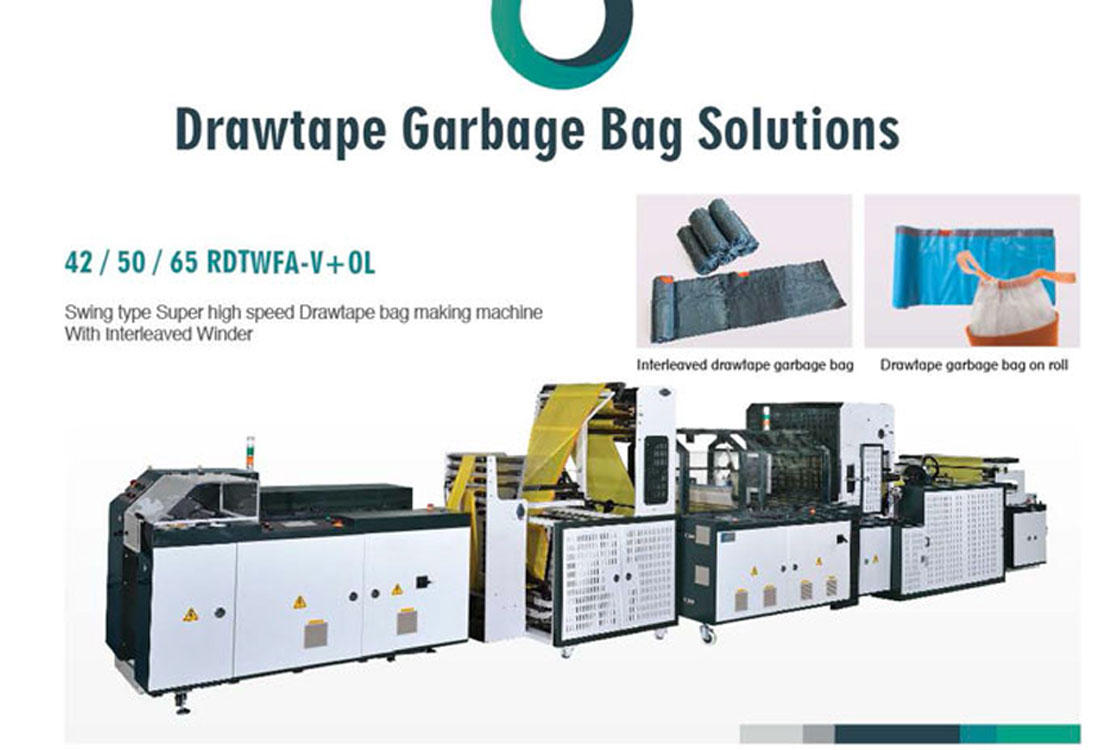
Drawtape Garbage Bag Making Machines (Bag-on-Roll + Folding System)
Drawtape garbage bags are a premium category widely used in North America and Europe. Their production requires precise tape folding, tension control, and synchronized sealing—especially for Bag-on-Roll formats.
Recommended Machine Characteristics- Forwarding drawtape folding module for continuous tape insertion
- Synchronized sealing & cutting with servo-driven control
- Optical photo-sensor system for accurate print registration
- Digital control panel for recipe setup & fast changeovers
- On-roll production capabilities (coreless roll, tight winding)
- Low-waste stretch control for strong puncture & tear resistance
- Optional Bag Folding System for compact stacking and operator-free handling
Ideal Use Cases- Premium-grade household garbage bags
- Premium drawstring bags for retail chains
- High-volume runs requiring consistent roll formation and precise sealing
Why plants choose this machine category:
Drawtape systems offer higher margins than standard garbage bags, and integrated on-roll + folding configurations allow factories to run longer cycles with fewer operators.
-
Bottom Seal Bag Making Machines (Heavy Gauge, Cold-Cut)
Bottom seal machines form the backbone of most garbage bag and packaging operations. PAL’s product range—including economy types and heavy-gauge tensionless solutions—supports nearly all common PE and recycled-material applications.
Recommended Machine Characteristics- Tensionless film handling for thick-gauge HDPE/LDPE and recycled films
- Servo-driven for precise high-speed cutting
- Cold-cut modules depending on film and output requirements
- Optional 3-fold or 4-fold capability for compact bag formation
Ideal Use Cases- Standard garbage bags
- Thick-gauge industrial liners
- Jumbo bags for export
Why engineering teams prefer these machines:
Heavy-gauge and tensionless systems allow for reliable processing of thick or recycled films with high stability, ensuring consistent quality for industrial and heavy-duty applications.
-
Flower Sleeve Bag Making Machines (Custom Shapes + Botanical Pot Forming)
Flower sleeves are a niche but profitable segment requiring precision shape-cutting and alignment. PAL’s systems support diverse patterns and integrate seamlessly into floral packaging workflows.
Recommended Machine Characteristics- Fully automatic sleeve forming for consistent shape and size
- Rotary shape cutting knives for round, cone, scalloped, and custom patterns
- High-accuracy eye-mark sensors for print-to-cut registration
- Quick-change die systems for fast switching between sleeve profiles
- Compatibility with PE, PP, and laminated films
- Botanical pot forming machine integration for horticultural packaging
Ideal Use Cases- Floral sleeves for bouquets
- Pot sleeves for horticulture
- Decorative packaging for gifting
- Nursery and botanical pot covers
Why factories invest in flower sleeve machines:
This category provides a strong competitive advantage—low competition, high customization, and exceptional margins compared to standard bags.
-
Zipper Bag Making Machines (Attachment, Slider Insertion, Zipper Profile Extrusion)
Zipper bag manufacturing requires tight sealing tolerances, precise alignment, and consistent zipper profile quality. PAL’s product lineup—including bag makers, slider insertion systems, and zipper profile extruders—covers the full production chain.
Recommended Machine Characteristics- Zipper attachment systems for precise zipper sealing and alignment
- Automatic slider insertion systems for deli bags and premium resealable bags
- Zipper film bag making systems combining extrusion + sealing
- High-speed zipper profile co-extruders for custom PE/PP specifications
- LDPE zipper film blown machines for integrated blown film production
Ideal Use Cases- Food packaging (snacks, deli, produce, frozen foods)
- Stationery and retail zipper bags
- Grape bags with perforation features
- Resealable packaging requiring slider heads
Why zipper lines deliver long-term ROI:
Integrated zipper systems (extrusion + blown film + bag making) give factories full control over quality and dramatically reduce dependence on external zipper suppliers.
Estimating ROI for a Plastic Bag Making Machine Plant
Investors must plan for both direct costs (equipment, utilities, materials) and indirect costs (training, certification, maintenance).
Key ROI Drivers
- Efficiency: Automation reduces labor.
- Material Strategy: Biopolymers cost more but unlock premium markets.
- Energy Use: Modern extruders improve consumption.
- Market Premiums: Certified sustainable products can be priced higher.
Payback Periods
The return on investment for a new plant depends on production capacity, energy use, and the balance between automation and labor.Plants producing high-value or certified compostable bags tend to reach profitability sooner, while low-volume or semi-automatic setups may take longer to recover costs.Conducting a detailed ROI simulation with your supplier or financial advisor is recommended before finalizing the investment plan.
Frequently Asked Questions
Q1: What machines are required to start a plastic bag making machine plant?
At minimum, you’ll need a film extrusion line (to produce rolls of film) and a bag making machine such as a bottom seal or T-shirt bag machine. As demand grows, you can expand into zipper bag, drawtape bag, or pouch machines.
Q2: How much does it cost to set up a plastic bag making machine plant?
Costs vary widely depending on scale and automation. A small plastic bag making machine plant setup may start from around USD 50,000, while a fully automated, multi-line plant can exceed USD 500,000. Many new investors begin with a minimum viable plant configuration to manage risk.
Q3: Can one machine produce different types of bags?
Some bag making machines are modular and can handle multiple formats, like T-shirt bags and garbage bags. However, specialized products such as drawstring garbage bags or zipper pouches usually require dedicated machines.
Q4: Do I need compostable or eco-friendly bag making machines to stay competitive?
Yes—many regions now encourage or mandate compostable or recycled-content bags. Choosing machines that can run both conventional PE and compostable film will help future-proof your investment.
Q5: How long does it take to get ROI from a plastic bag making machine plant?
The payback period for a plastic bag making machine plant varies widely based on factors such as production capacity, material costs, and customer contracts.
In general, many manufacturers aim for ROI within a few years, though this can extend depending on market conditions and investment scale.Plants producing certified compostable bags may recover their investment sooner due to higher product value and pricing potential.
Q6: What certifications are required for export or international compliance?
Depending on your target markets, your plant or machinery may need CE, UL, or ISO certifications to meet safety and quality standards. These marks demonstrate compliance with international regulations—essential when supplying major retailers or exporting finished bags and machinery.
Final Considerations & Next Steps for a Plastic Bag Making Machine Plant
Starting a plastic bag making machine plant today demands more than technical knowledge.
Key Takeaways:
- Awareness of tightening global regulations
- Alignment with sustainability trends
- Selection of modern, modular machinery
- A solid ROI model to secure long-term success
Ready to start your own plastic bag making machine plant? Explore our expert guides on equipment choices, compliance strategies, and production planning—or contact us today to discuss a customized setup for your market.


Date:2024-09-11
Date:2020-05-20