

 NEWS
Zipper Bag Production Systems: Blown-Film Integration vs. Zipper Attachment In-Line Bag Making
When flexible packaging converters plan to manufacture zipper bags, the initial inquiry often begins with a simple question: "Which zipper bag making machine should I buy?" In reality, the decision is not about choosing an isolated piece of equipment. It is about selecting between two fundamentally different zipper bag production systems.
Where the zipper originates determines your tooling investment every time bag dimensions change, what raw materials arrive at your loading dock, and which bag styles your converting line can physically deliver.
At Plas Alliance Ltd. (PAL), we engineer complete machinery solutions for both manufacturing routes. This guide breaks down how both zipper bag making machine architectures operate, outlines their operational trade-offs, and provides a direct evaluation framework based on product variety, substrate constraints, and tooling economics.
Types of Zipper Bag Making Machines: Blown-Film vs. In-Line Attachment Systems
Quick Summary: A zipper bag making machine converts plastic film into reclosable packaging via two distinct engineering architectures: (1) Blown-film zipper lines, which extrude the interlocking profile and film simultaneously in a single bubble, and (2) In-line zipper attachment machines, which feed separate zipper tape and bond it continuously onto flat film web during bag conversion.
In modern packaging plants, commercial zipper bag manufacturing breaks down into two core equipment configurations:
- Route 1: The Extrusion-Blown Zipper Film System (Integral Track): The zipper track profile and tubular film web are extruded simultaneously through a specialized blown-film die. The resulting master roll arrives at the cutting machine with the interlocking profile already formed as an integral part of the film.
- Route 2: The In-Line Zipper Attachment Bag Making Machine (Profile Bonding): Standard plain film is fed into the converting line, while a standalone extruded zipper strip is continuously unwound, guided, and thermally bonded onto the web directly on the bag-making machine.
For converters evaluating how zipper bag machines fit within the broader scope of plastic converting machinery, see PAL's complete guide to plastic bag making machines.
Comparing Zipper Bag Production Systems: Tooling Costs, Output & Flexibility
To determine which zipper bag production system matches your commercial goals, compare their core operational parameters:
| Engineering Parameter | Route 1: Blown Film Zipper Machine Line | Route 2: In-Line Zipper Attachment System |
|---|---|---|
| Machinery Lineup | Blown film zipper line (55LD-Z) + zipper bag cutting machine (750SWZ-V) | Zipper profile co-extruder (45INLL-AB) + zipper attachment bag machine (750ZPB-V+SDS) |
| Zipper Origin | Zipper profile is formed within the die head and extruded together with the film bubble | Extruded independently as continuous tape, then bonded in-line |
| Dimensional Changeovers | Requires changing the blown-film die head for each bag width | Web width adjusts on the converting machine; compatible with standard blown film rolls |
| Key Operational Advantage | Single continuous process; zipper is integral to the bag body | Lower tooling investment across multiple sizes; broad bag format flexibility |
| Process Trade-offs | Blown film line operates at slower output rates; die tooling costs accumulate with each new size | Requires separate profile feeding and alignment control on the bag machine, which must be reset when switching film material (e.g., PE to PP) |
| Supported Bag Formats | Standard flat press-to-close bags; twin-line packaging | Press-to-close, slider insertion, double-line deli bags, grape bags, ultrasonic leak-proof bags |
| Best Suited For | Fixed bag size, low-variety production runs | Multi-size, multi-format product lines with frequent changeovers |
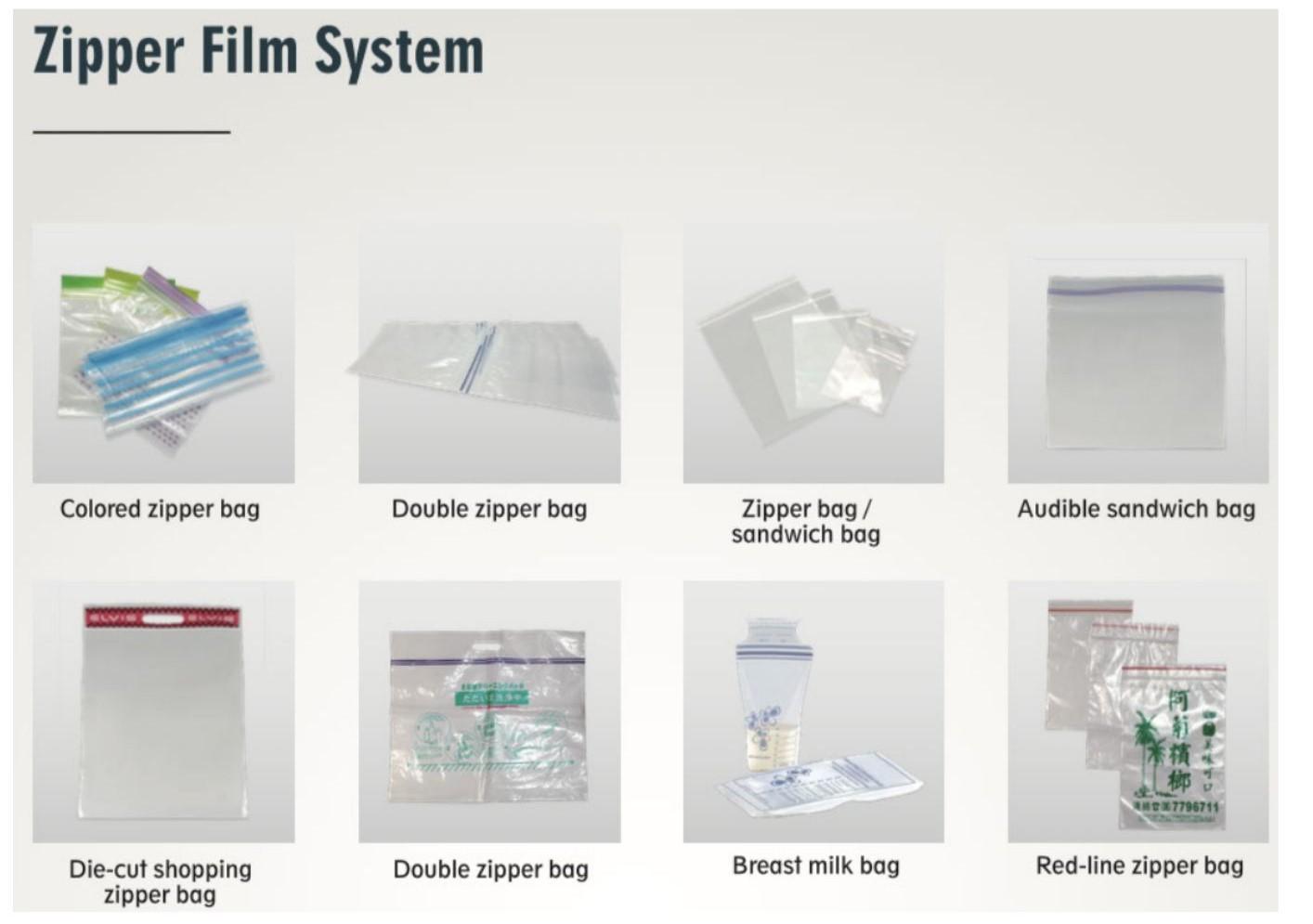
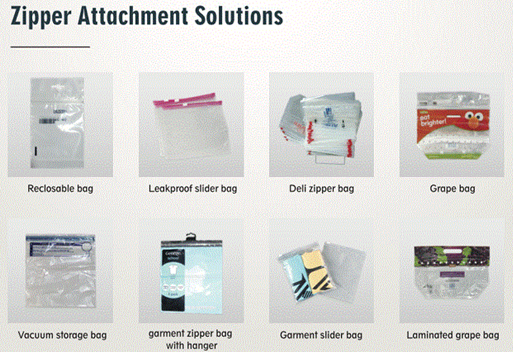
The Extrusion-Blown Zipper Bag Machine Line (55LD-Z + 750SWZ-V)
The extrusion-blown zipper film route combines blown-film extrusion and bag cutting into a linked, highly integrated workflow.
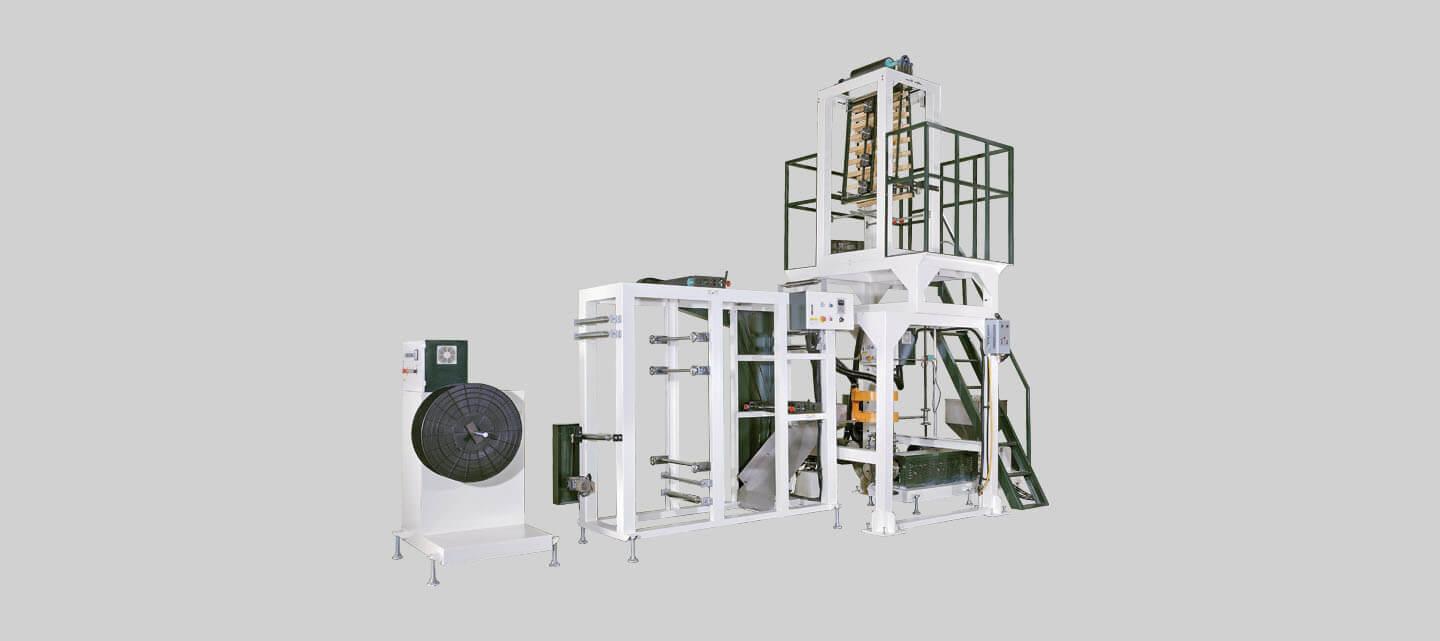
How the Blown-Film Zipper Process Operates
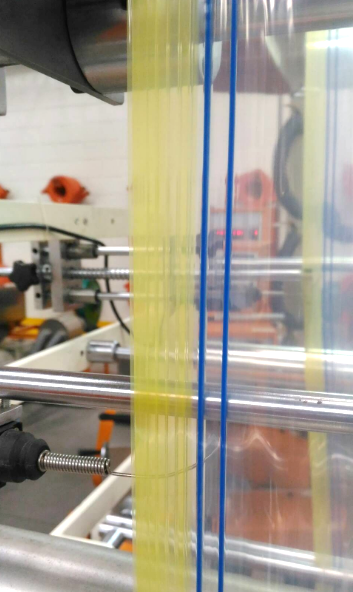
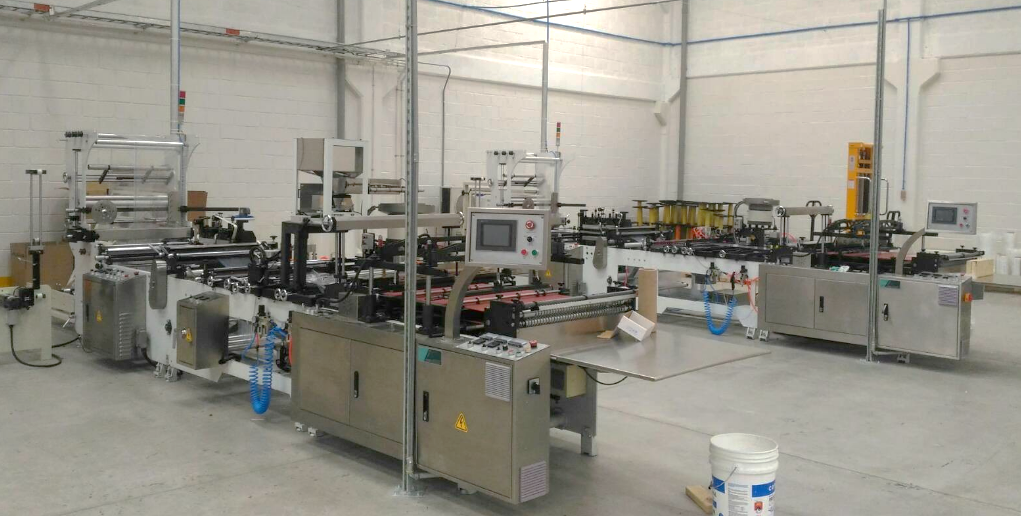
Polyethylene resin is plasticized in the 55LD-Z blown-film extruder, where custom die tooling forms both the tubular film bubble and the parallel male/female zipper profiles simultaneously. The cooled roll stock—already zippered—is then converted on the 750SWZ-V zipper bag cutting machine. When paired with in-line flexographic printing, this system operates as a continuous, synchronized line that reduces manual roll handling.
Practical Engineering Considerations & Tooling Costs
While an integral zipper film eliminates on-machine zipper alignment hardware, converters must account for two production realities:
- Blown-Film Output Constraints: Extruding precision profile tracks directly within a blown bubble requires conservative extrusion speeds to ensure the interlocking ribs cool without structural distortion.
- Die Tooling Overhead: A specific die head corresponds to a specific bag width and track configuration. If your customer requires three different bag widths, three separate blown-film dies are required. Even on twin-lane setups (where two zipper lines are extruded simultaneously and slit), duplicate die tooling remains necessary.
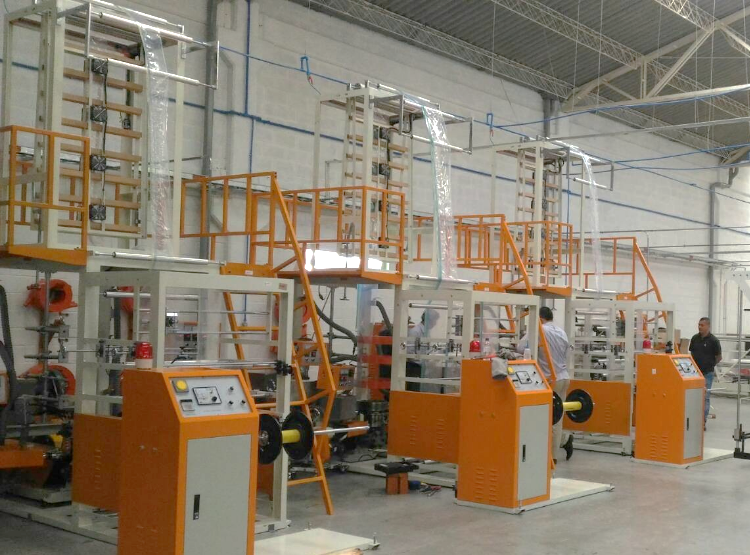
For high-volume operations producing standardized packaging for retail or agriculture—such as our client in Colombia who installed three synchronized blown-film and bag-making lines—this route provides a dependable, dedicated production platform.
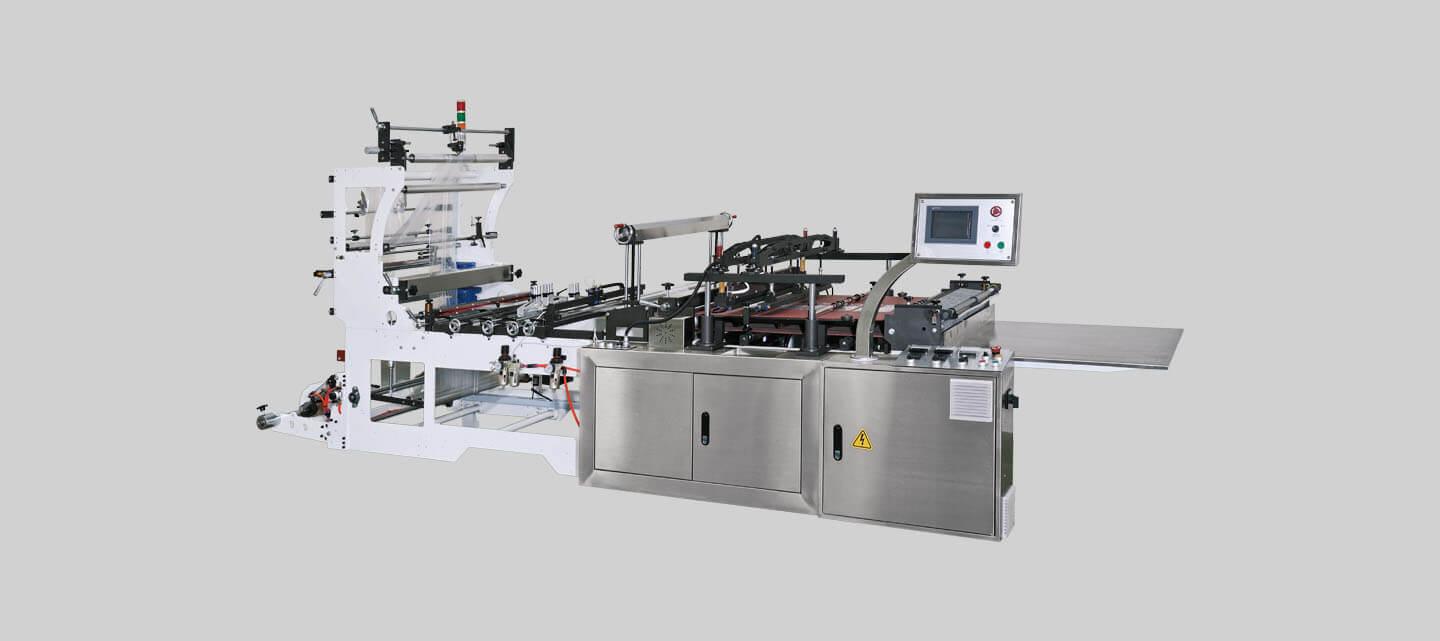
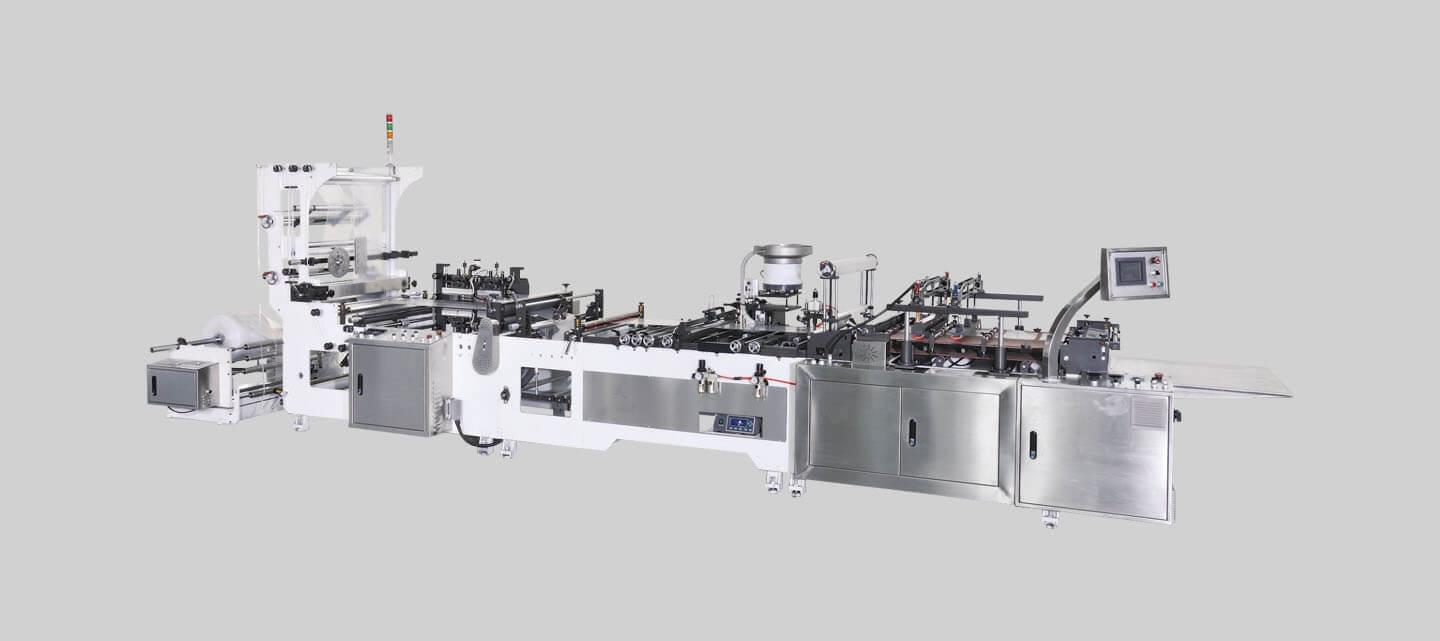
The In-Line Zipper Attachment Bag Making Machine (45INLL-AB + 750ZPB-V+SDS)
For converters handling diverse packaging orders, the in-line zipper attachment machine decouples film blowing from zipper application.
How the In-Line Zipper Attachment System Operates
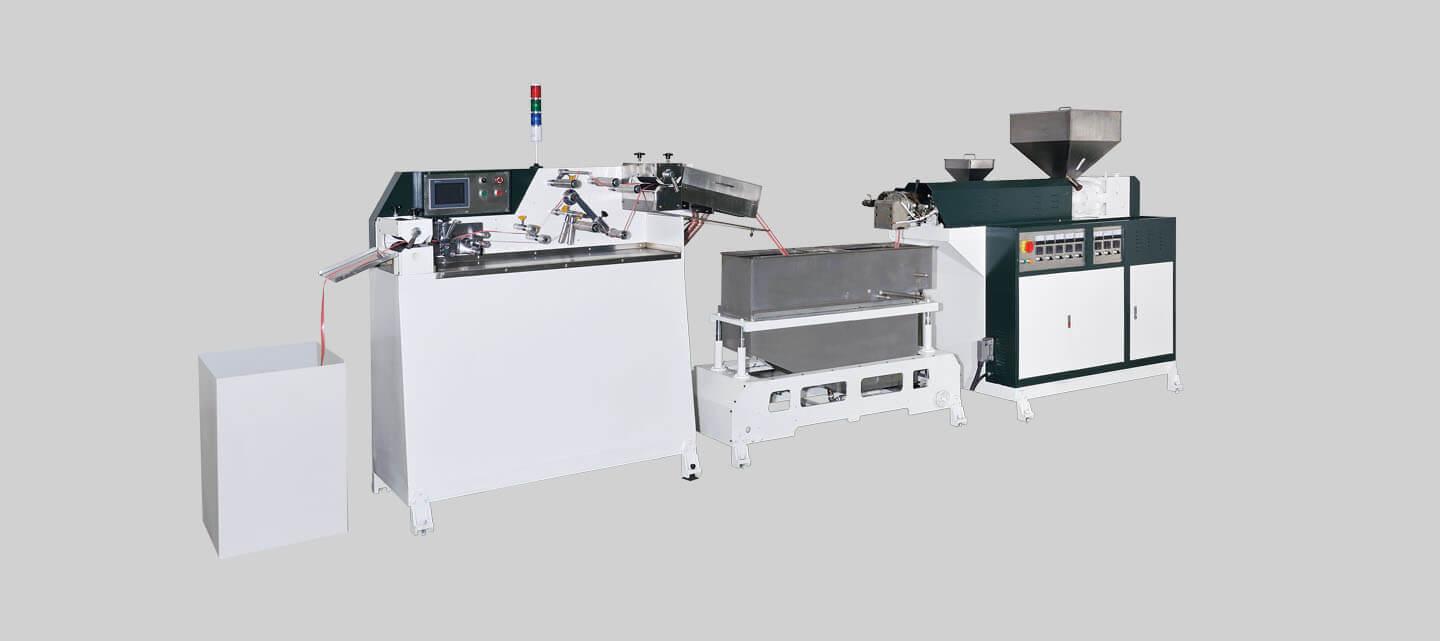
Plain film is unwound, folded, and advanced through the 750ZPB-V+SDS attachment bag-making machine. Simultaneously, continuous zipper tape—either produced in-house on a 45INLL-AB co-extrusion line or supplied on spools—is guided between the film webs and bonded via precision heat or ultrasonic stations prior to cross-sealing and cutting.
Tooling Efficiency and Complex Bag Formats
The defining advantage of the attachment zipper bag machine is tooling efficiency and format versatility:
- Zero Die Changes for Width Variations: Bag length and width adjustments are executed mechanically on the converting machine, allowing a single roll of plain blown film to produce multiple bag formats.
- Compatibility with Existing Extruders: Converters can utilize standard Polyethylene (PE) blown-film lines already on their factory floor, avoiding the need for dedicated profile-extrusion blown film equipment.
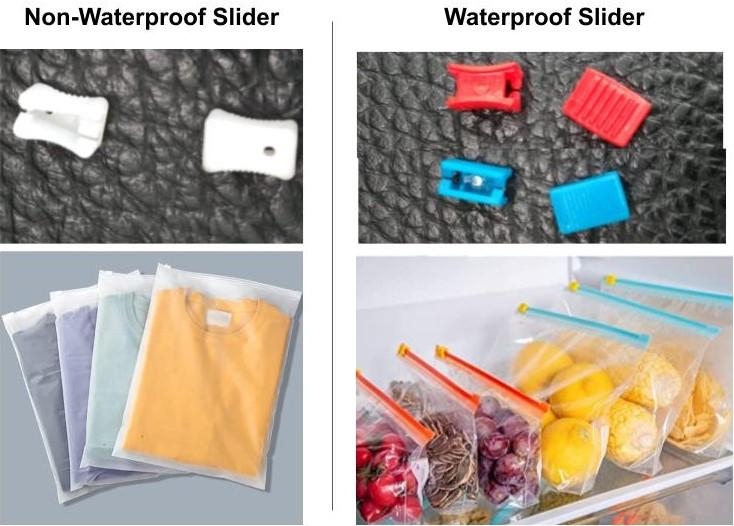
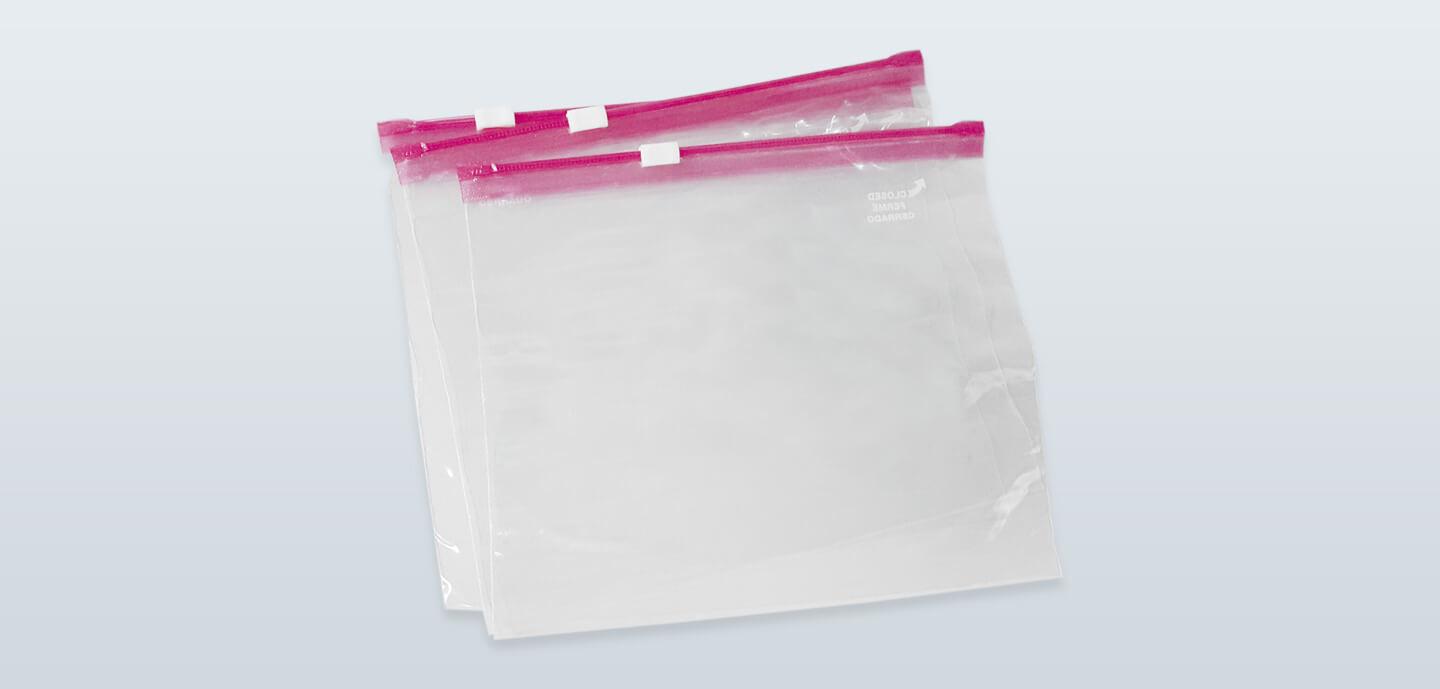
- Expanded Closure and Bag Formats: Advanced packaging features—such as automatic slider insertion, double-track deli pouches, vented grape bags, and ultrasonic-assisted leak-proof seals—are engineered directly into the attachment platform.
PP Zipper Bag Manufacturing: Why Converters Need In-Line Profile Co-Extrusion
A critical material decision frequently surfaces during machine evaluations: Can you produce Polypropylene (PP) zipper bags on an integral blown-film machine line?
In factory practice, blown-film co-extrusion of integral PP zipper profiles involves high technical hurdles. Managing resin blend homogeneity, melt temperatures, and bubble stability for PP profiles requires specialized operational formulations and narrow processing windows.
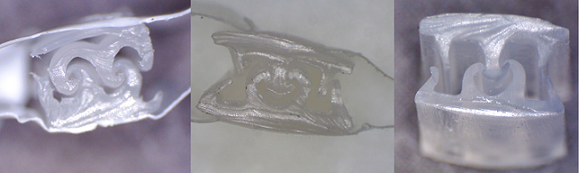
Engineering Insight (Co-Extruded Profile Structure):
The 45INLL-AB dual-extruder design applies a low-temperature heat-sealable functional skin over the virgin structural core, reducing the risk of film distortion and thermal wrinkling during sealing across diverse substrates.
For converters producing high-clarity PP merchandise bags or laminated barrier pouches,
the in-line zipper attachment route provides a lower process barrier and is generally recommended for converters seeking stable high-clarity output:
- The standalone 45INLL-AB profile co-extruder utilizes a primary extruder for the zipper core and a secondary satellite extruder to coat the outer flange with a low-temperature heat-sealable polymer layer.
- This co-extruded profile bonds securely to PP or composite webs at reduced thermal dwell times, preventing thermal wrinkling on the clear film body while guaranteeing seal strength.
How to Choose the Right Zipper Bag Making Machine: 4-Step Selection Guide
To determine which machinery system fits your operational requirements, evaluate your production schedule through four sequential questions:
-
Step 1: How many bag widths and closure profiles do you plan to run?
- Limited dimensions, high batch volume: Route 1 (Blown-Film Zipper Machine Line)
- Multiple dimensions, diverse closure styles: Route 2 (Attachment Zipper Machine)
-
Step 2: What is your primary film substrate?
- Standard LDPE / LLDPE: Route 1 or Route 2
- Polypropylene (PP) or Barrier Laminates: Route 2 (Attachment Zipper Machine)
-
Step 3: Does your product require sliders or hermetic leak-proof seals?
- Plain press-to-close: Route 1 or Route 2
- Automatic slider insertion / Ultrasonic seal: Route 2 (Attachment Zipper Machine)
-
Step 4: Do you have existing standard blown-film extruders in your facility?
- Yes; seeking to utilize existing film stock: Route 2 (Attachment Zipper Machine)
- No; planning a dedicated greenfield zipper plant: Route 1 or Route 2
If you are setting up a new converting plant and balancing factory layout, equipment Return on Investment (ROI), and local regulatory compliance, consult PAL's guide to planning and setting up a plastic bag making machine plant.
Zipper Bag Machine FAQs: Substrates, Slider Retrofits & Investment Costs
Q1: Can a zipper bag making machine run Polypropylene (PP) films reliably?
Yes. Running PP film requires selecting compatible zipper profiles, typically produced with a low-temperature sealing outer skin via a co-extrusion profile line (such as the PAL 45INLL-AB). This configuration bonds cleanly without overheating the clear PP web.
Q2: Can an extrusion-blown zipper bag machine line be upgraded to produce slider bags?
For PAL's current standard configurations, automatic slider insertion and specialized leak-proof ultrasonic stations are engineered on the in-line attachment platform (750ZPB-V+SDS). If evaluating retrofits for existing lines, feasibility should be confirmed directly with PAL's engineering team.
Q3: What factors determine the total zipper bag making machine equipment investment?
Equipment investment depends on your chosen manufacturing route, the scope of tooling required (such as blown-film die quantities vs. attachment guide sets), and auxiliary modules (such as flexographic printers, ultrasonic sealers, or hole punches). To align this technical choice with your broader corporate budget and strategic procurement criteria, see PAL's step-by-step plastic bag machine selection guide. Detailed configurations are engineered to match your sample specifications.
Sourcing Your Zipper Bag Machine: How to Request an RFQ from PAL
To evaluate the appropriate zipper bag making machine route for your plant, our engineering team requires your target container parameters rather than generic descriptions.
When submitting an inquiry via our contact portal, please specify:
- Bag Dimensions: The number of bag widths and length ranges you intend to manufacture.
- Substrate Specifications: Base film material (PE or PP) and target wall thickness.
- Closure & Feature Requirements: Standard press-to-close, slider clip, deli-style double tracks, or leak-proof requirements.
- Existing Plant Hardware: Whether your facility operates standard blown-film extruders.
Contact PAL Engineering Team to review your zipper bag making machine specifications with our engineering team.


Date:2024-09-11
Date:2020-05-20